
Indian Food Franchise Requirements – Everything You Need to Know
Starting an Indian food franchise is a rewarding business opportunity with a proven model for success. However, before investing, it is crucial to understand the necessary requirements, from financial investment to operational setup. This guide will provide a detailed overview of the key Indian food franchise requirements, helping you make an informed decision.
Why Choose an Indian Food Franchise?
Indian food franchises are in high demand due to the country’s diverse culinary landscape and growing foodservice industry. Here’s why investing in an Indian food franchise is a great decision:
- Recognized Brand – Franchises come with an established customer base, reducing marketing efforts.
- Proven Business Model – Lower risks compared to starting an independent restaurant.
- Operational Support – Training, supply chain assistance, and marketing support provided by the franchisor.
- Scalability – Opportunity to expand into multiple locations with a successful model.
Key Requirements to Start an Indian Food Franchise
To successfully establish an Indian food franchise, you need to meet certain requirements in terms of financial investment, infrastructure, and legal documentation. Below are the essential aspects:
1. Financial Investment
The investment required varies depending on the franchise model (QSR, casual dining, fine dining, or dessert outlets). Key financial components include:
- Franchise Fee – A one-time payment to acquire the brand rights.
- Setup Costs – Expenses for interior design, kitchen equipment, and furniture.
- Working Capital – Funds required for day-to-day operations, staff salaries, and marketing.
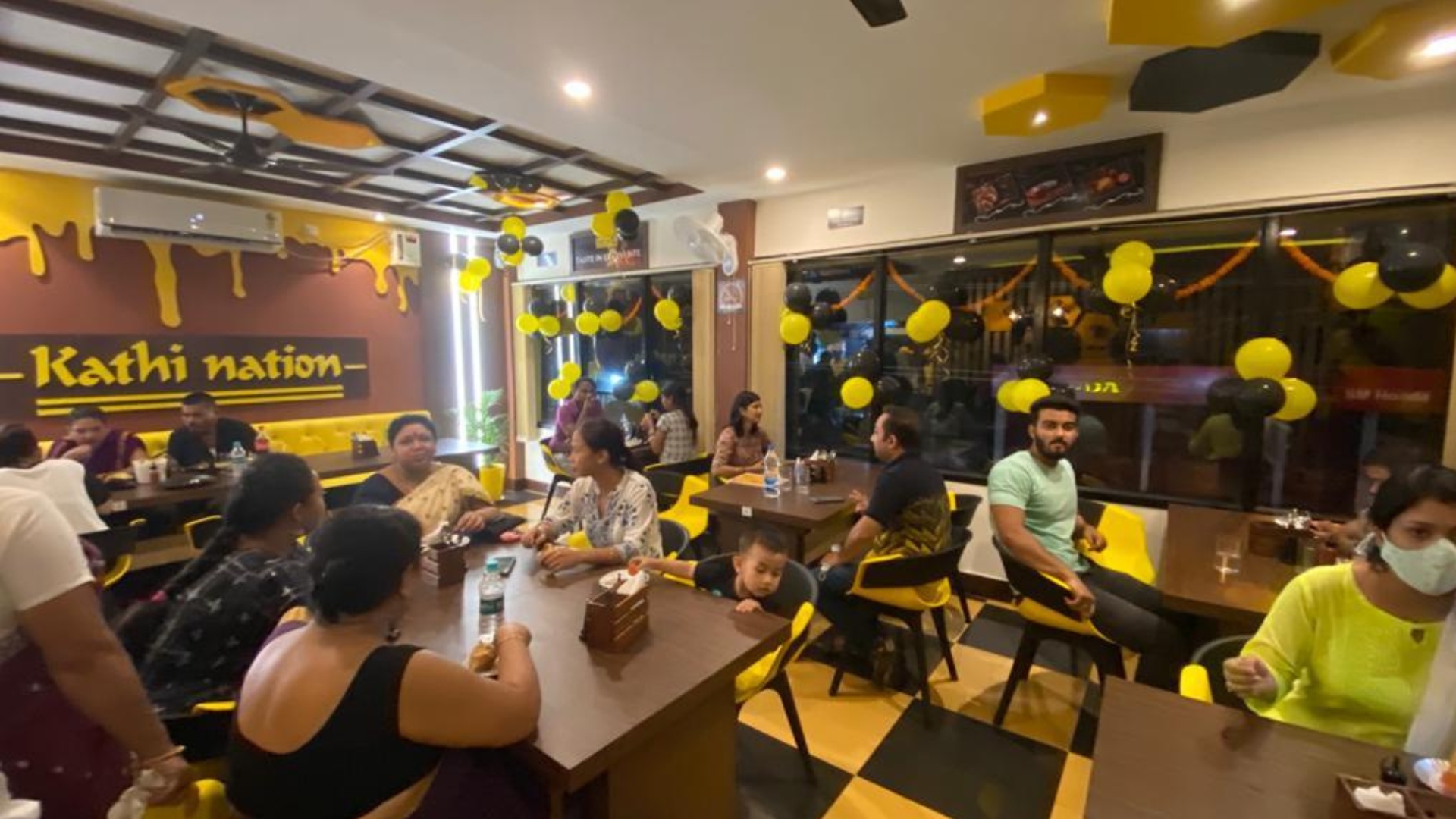
2. Location and Infrastructure
Choosing the right location plays a vital role in the success of your franchise. Consider these factors:
- High Footfall Areas – Malls, commercial spaces, and high-street locations attract more customers.
- Kitchen and Seating Space – Adequate space for food preparation and dine-in customers.
- Hygiene and Safety Compliance – The location must meet food safety and health regulations.
3. Licensing and Legal Requirements
To operate an Indian food franchise, you must obtain various licenses and approvals, such as:
- FSSAI License – Mandatory for food businesses to ensure safety and hygiene standards.
- GST Registration – Required for tax compliance.
- Trade License – Issued by local municipal authorities for business operations.
- Fire Safety Certificate – Essential for restaurants and QSR outlets.
- Shop & Establishment Act Registration – Required for labor law compliance.
4. Staff and Training
Running a successful franchise requires skilled personnel. Most franchisors offer training programs covering:
- Kitchen Operations – Standardized food preparation methods to maintain quality.
- Customer Service – Training for front-end staff to enhance customer experience.
- Inventory and Supply Chain Management – Managing stock efficiently to reduce waste.
5. Marketing and Branding
Marketing is essential to establish a strong presence and attract customers. Franchisees are expected to participate in:
- Local Advertising – Social media, print ads, and online promotions.
- Brand Campaigns – Collaborating with franchisor-led marketing initiatives.
- Loyalty Programs – Offering discounts and memberships to retain customers.
Skyland d Global – Your Trusted Franchise Partner
Skyland d Global offers a range of Indian food franchise opportunities across different cuisines. Our brands include:

1. Kathi Nation – Leading Kathi Roll Franchise
- Low investment with high profitability.
- Compact setup, ideal for small spaces.
- Strong brand support and marketing assistance.
2. La Trio Pizza – Authentic Pizza Franchise
- Unique Indian-inspired pizzas.
- Affordable investment and high returns.
- Comprehensive franchisee training.
3. The Burger Nation – Indian Fusion Burger Franchise
- Fast-growing burger chain with Indian flavors.
- Quick service restaurant model for faster operations.
- Well-structured marketing and operational support.
4. Bhartiyam’s – Authentic Indian Cuisine Franchise
- Traditional Indian food and snacks.
- Ideal for both dine-in and takeaway models.
- Established customer loyalty.
5. Waffle King – Profitable Dessert Franchise
- High-margin dessert business with growing demand.
- Low-cost setup with strong franchise backing.
- Trending menu options to attract young customers.
Frequently Asked Questions (FAQs)
The investment varies based on the brand and business model. Some franchises start as low as ₹10 lakhs, while larger setups require more capital.
You need an FSSAI License, GST Registration, Fire & Safety Permit, and local municipal approvals.
Ongoing costs include raw materials, staff salaries, rent, utility bills, and royalty fees (if applicable).
Look for high-footfall areas, proximity to offices, colleges, or malls, and ensure good visibility and accessibility.
Key documents include an FSSAI license, GST registration, trade license, fire safety certificate, and shop & establishment registration.
To apply for a franchise, contact us today and our team will guide you through the process.
Conclusion
Starting an Indian food franchise is a profitable venture when you meet the necessary requirements. With the right investment, location, licenses, staff, and marketing strategies, you can build a successful business. Skyland d Global offers a wide range of franchise options across different cuisines, providing full support to franchisees. Explore the best franchise opportunity today and begin your entrepreneurial journey!